

Floating Village in Kerala | Alappuzha | Kadamakkudy | India
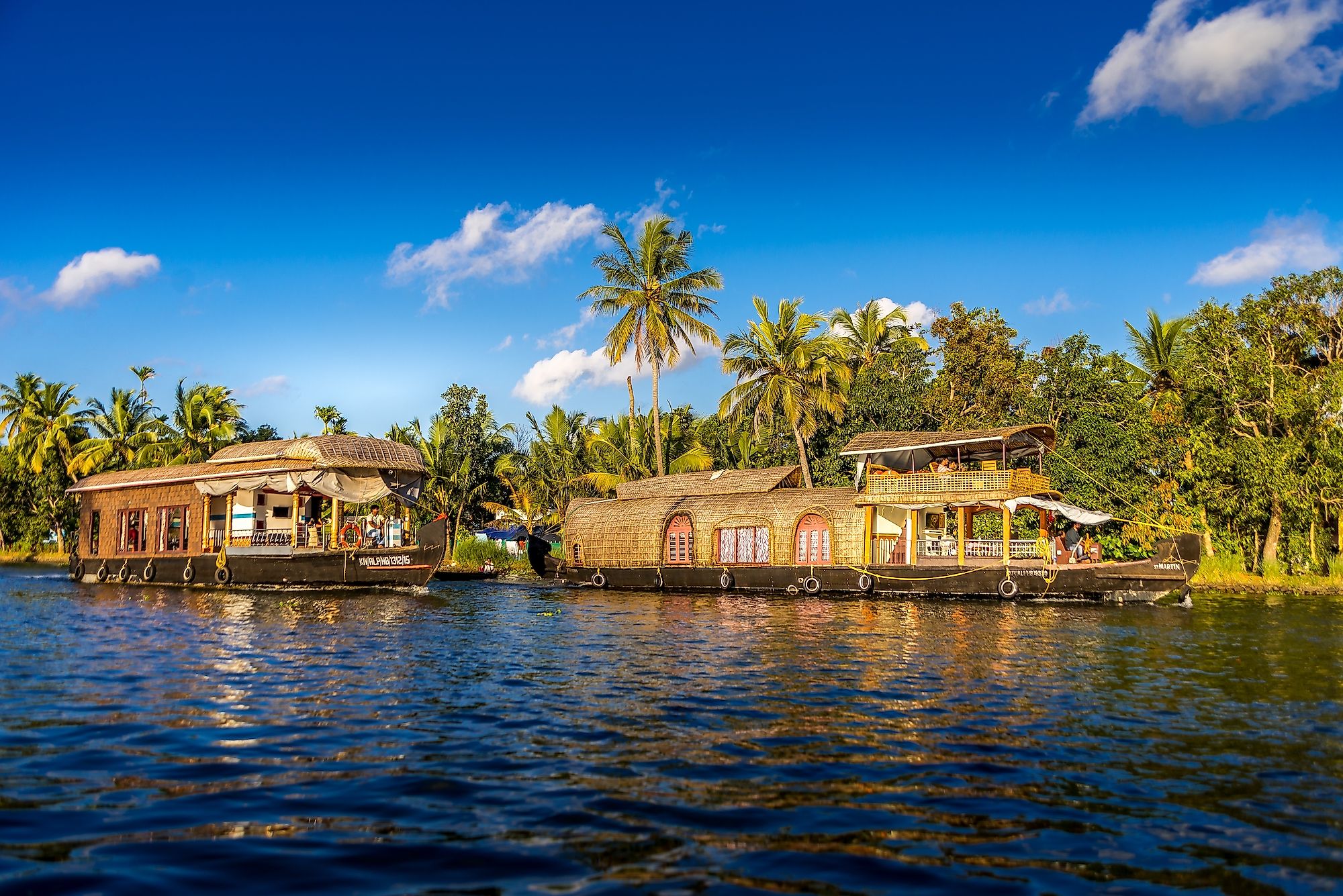
Everyone sees the luxury houseboats of Alappuzha on Instagram, but very few know the real story behind floating villages in Kerala, where thousands of families live surrounded by water, boats replace roads, and everyday life looks completely different.
If you’ve ever wondered what it’s actually like to live in a house surrounded by water 24/7, grab a chai and read on. This isn’t just a travel story, it’s a reality check.
About Floating Village in Kerala | Alappuzha
Alappuzha, often called the Venice of the East, is a beautiful coastal town in Kerala, India, famous for its scenic backwaters, canals, and houseboat tourism. Surrounded by lush coconut trees and calm waterways, it reflects Kerala’s rich culture and traditional lifestyle. Thousands of tourists visit Alappuzha every year for houseboat cruises, peaceful backwater experiences, romantic honeymoon trips, and famous snake boat races, making it one of the most popular travel destinations in South India.
1. Life on a Boat: Not Just for Tourists
In Alappuzha, boats aren’t a luxury; they are the equivalent of our Local Metro or buses.
| Everyday Transport | What It Looks Like |
|---|---|
| School Bus | Children line up at a boat stop instead of a bus stop. Government ferries take them to school for free through the backwaters. |
| Public Water-Bus | State-run boats carry up to 66 passengers, transporting people and daily goods like groceries and gas cylinders across the canals. |
| All-Purpose Taxis | Shikara (small wooden boat) owners act like a “Water Uber.” They ferry wedding groups, market shoppers, and even patients going to the village hospital. |
You can see churches, temples, hospitals, and even an ice-cream shop near the water. People can reach these places only by boat. In these villages, water is everywhere in life.
2. Surrounded by Water but Paying for Drinking Water
Standing there, all I could see was water. The lake stretched far into the distance, almost touching the horizon. At first, it felt like a place where water would never be a problem.
But as I spent more time there, I realized the reality was very different. The water flowing around these homes looks calm and endless, but it is salty and brackish. People cannot drink it.
Because of this, many families have to buy drinking water for about ₹2 per litre. It sounds cheap at first, but when every glass of water has to be bought, the cost adds up quickly.
That is the strange reality of life in the backwaters. Water is everywhere you look, but clean drinking water is still hard to find.
3. Kuttanad, The Rice Bowl of Kerala
When I reached Kuttanad, the landscape looked like a huge green carpet spread over water. That is why people call it the Rice Bowl of Kerala.
As I got closer, I saw women in colorful sarees working in the fields. Some of them were singing traditional songs while planting rice. It felt peaceful, like the songs were part of the landscape itself.
But behind this beautiful view, the reality is tough. During the rainy season, these fields stay underwater for almost six months. For the people working here, farming is not just beautiful scenery; it is hard work and constant struggle with the water.
4. Jobs That Flow From the Water
| Occupation | What It Entails |
|---|---|
| Toddy (Tadi) tapping | Workers climb tall coconut trees using a wooden pole and a clay pot to collect sweet sap. The sap ferments into the local drink called toddy. It is a risky job where even a small slip can be fatal, but it supports many families. |
| Coir production | Kerala supplies about 80% of the world’s coir (coconut fibre). Women work in factories turning coconut husks into ropes, mats, and brushes, earning around ₹800 per day. |
| Fishing & shell-collecting | While exploring the backwater villages, I saw how much local food depends on the water. Fresh prawns, crabs, and hand-collected clams are common in daily meals. |
5. The Dark Side: The 2018 Floods and Abandoned Dreams
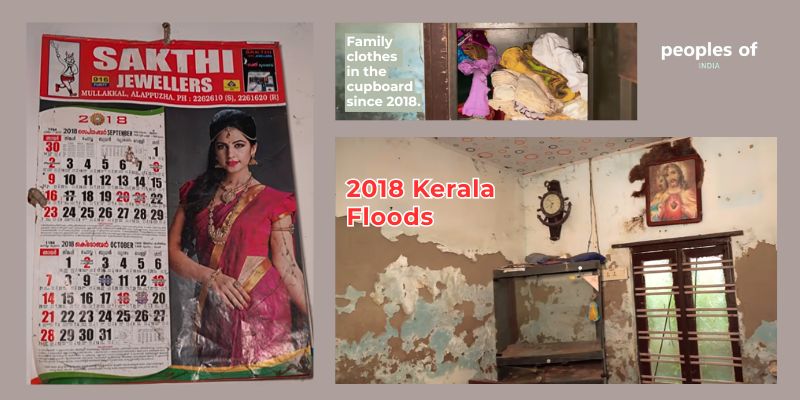
As I continued exploring the area, I came across an abandoned house, and the atmosphere suddenly felt very different. It looked like time had simply stopped there since the 2018 Kerala floods.
When I looked inside, the scene was quiet but powerful. Clothes were still lying in the cupboards. A calendar was still hanging on the wall, frozen on a date from 2018. Even the clock had stopped ticking long ago.
Standing there, it felt like the house was holding a memory of that time. The floods had forced many families to leave everything behind. Some of them never returned, leaving these homes as silent reminders of how powerful nature can be.
6. The Human Connection: Language No Bar
One moment that really stayed with me was meeting the local people. Even though many of them spoke only Malayalam, their warmth was easy to feel.
I met a Shikara boat rider who had named his boat Gurudevan after his God. He told me his boat works like a kind of “water Uber.” Sometimes he carries wedding processions, and other times he helps take someone to the village’s only hospital. Out here, his boat is more than transport; it is a real lifeline for the community.
7. Dream or Nightmare?
As I spent more time in Kerala’s backwaters, the beauty was impossible to ignore. The greenery, the calm water, and the peaceful rhythm of life felt almost magical. People from different faiths live side by side, and everything moves at a slow, soothing pace.
But I also realized that this peaceful life depends completely on the water. It decides how people travel, how they work, and even how they get drinking water.
So the next time you see a perfect picture of a houseboat under soft lantern lights, it is worth remembering the real life behind that view:
-
The child was waiting near the canal for the school ferry.
-
The mother buys drinking water at ₹2 a litre.
-
The fisherman goes out early, hoping for a good catch.
-
The family whose home still carries marks from the 2018 floods.
For the people living here, water is not just beauty. It shapes their entire life, every single day.
End of the Journey
As I spent more time in Kerala, it was clear how beautiful the place truly is. The greenery, the peaceful lifestyle, and the harmony between different religions make it feel special.
But while looking at the calm backwaters, I kept thinking about the people who live there every day. For them, life is closely tied to the same water that makes this place famous.
It is a place where life moves slowly. Not always by choice, but because the water around them decides the pace of everything.