

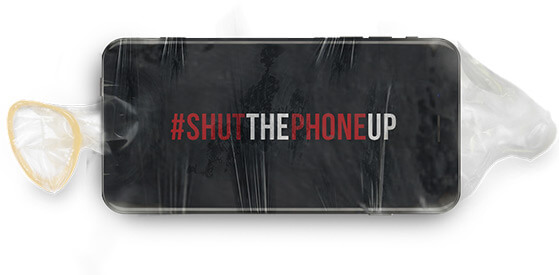
In 2018, Mankind Pharma, one of India’s largest pharmaceutical companies, launched a bold and unprecedented awareness campaign titled “Shut The Phone Up 2.0.” Unlike typical social messaging campaigns that speak in abstractions, this one placed you inside the lived experience of a victim: a woman navigating betrayal, shame, legal uncertainty, and the horrifying truth that in today’s digital age, a single intimate image can become a weapon.
Peoples of India chose this topic because behind every shared image or private moment is a real human being, a trust that was broken, and a life that can be deeply hurt. We want people to pause, think, and protect themselves and others, because awareness today can save someone from pain tomorrow. Every conversation about consent and digital safety can help build a more caring and responsible society.
| Even after formatting, your data can be retrieved from your smartphones.
It is a sentence designed to unsettle. To make you think twice. To remind you that the phone resting casually on the nightstand is not a neutral object, it is a potential archive of your most vulnerable moments.
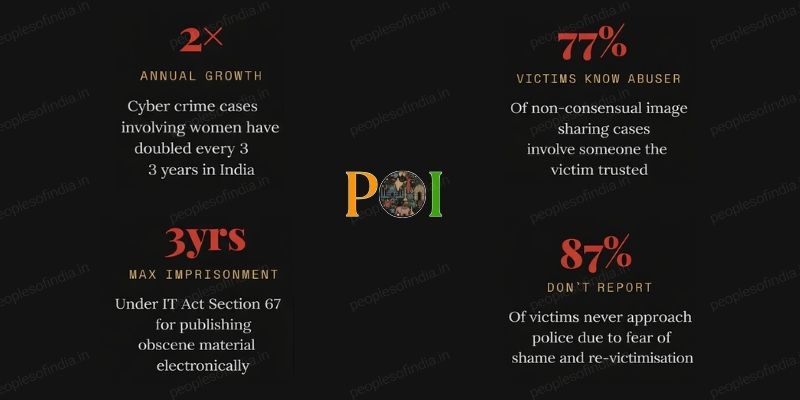
What Is Non-Consensual Intimate Image Sharing?
Non-consensual intimate image sharing, often called “revenge porn” is a serious form of digital abuse in which someone shares private images or videos without the other person’s consent. In many cases, perpetrators secretly record these images or videos using hidden cameras or phones during intimate moments.
Why This Happens
- Financial gain through selling content
- Blackmail and sextortion
- Emotional manipulation
- Revenge after breakups
- Online harassment and humiliation
Impact on Victims
- Anxiety, depression, and trauma
- Social isolation and victim-blaming
- Loss of reputation or career opportunities
- Fear and emotional distress
- In extreme cases, self-harm or suicide
India’s growing smartphone usage and lack of awareness around digital consent have made such crimes more common. Although laws exist, many victims still hesitate to report cases due to fear, stigma, or lack of support.
Why Many Cases Go Unreported
- Fear of public shame
- Threats from perpetrators
- Lack of awareness about legal rights
- Social stigma around sexuality
- Slow or inconsistent legal action
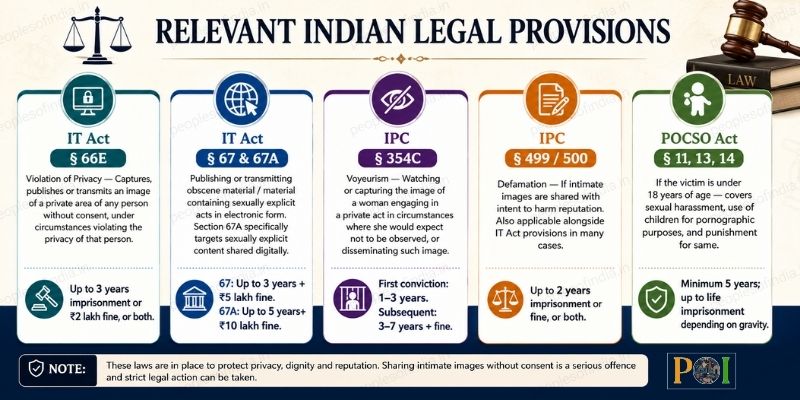
The Laws That Protect You and Their Limits
While this legal architecture exists, victim advocates routinely point out critical gaps: many police officers lack digital forensics training; cases are frequently dismissed or delayed; and in smaller towns, social pressure on victims to withdraw complaints remains immense. The campaign’s own reference, “We have cyber laws here” carries a note of desperation, as though even the character must convince herself that the system will work.
The Phone Never Truly Forgets
Perhaps the most technically sobering message in the campaign is its warning about data recovery. Deleting a file, or even performing a factory reset, does not guarantee permanent erasure. On most smartphones, the operating system merely marks the storage space as “available,” while the original data remains physically intact until overwritten by new data. Forensic recovery tools, many of which are freely available or inexpensive, can reconstruct deleted images and videos with frightening ease.
This means that when an abuser claims to have “deleted” the content as part of a negotiation, or when a device is sold or handed over, the intimate images may still be recoverable. Digital forensics experts advise that true data destruction requires multiple overwrites or physical destruction of the storage medium, steps that most ordinary users are unaware of.
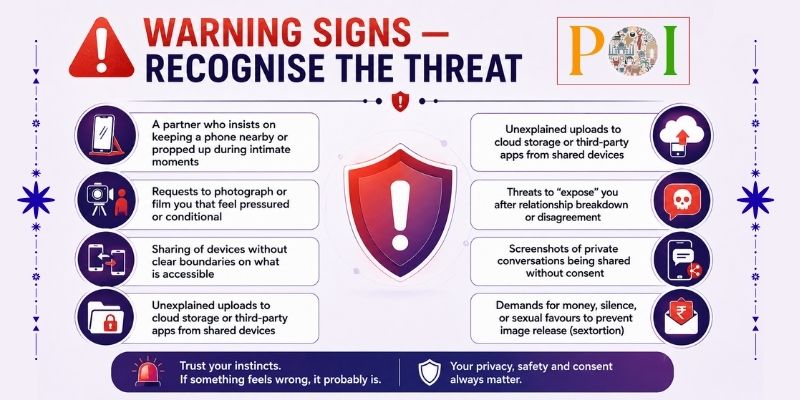
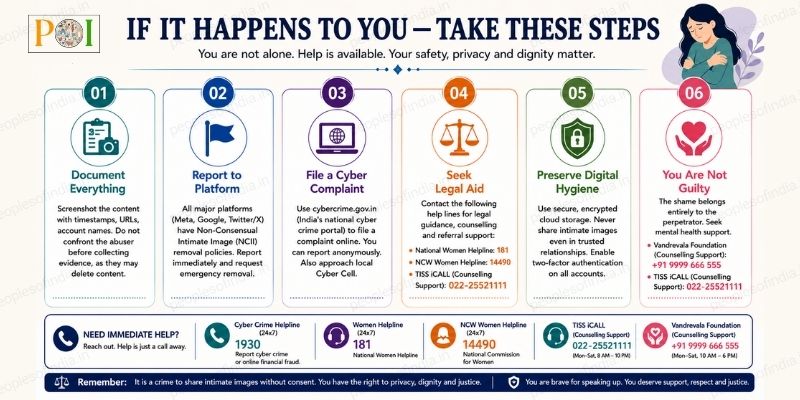
If It Happens to You, Take These Steps
Why “Shut The Phone Up” Still Matters in 2026
When Mankind Pharma released this campaign, it exposed a reality many people ignore, how easily trust can be turned into exploitation. The most disturbing part is that the threat does not come from strangers, but often from someone the victim once felt safe with.
It usually starts with something that feels completely normal, a phone kept nearby, a “private” photo, or a video meant to stay between two people. Most victims never realise that a moment of trust can later turn into blackmail, humiliation, and emotional trauma.
Today, the risk is greater than ever. With smartphones, cheap internet, and AI tools becoming accessible to almost everyone, private moments can be misused within seconds. A single leaked or fake intimate image is often enough to damage someone’s confidence, relationships, career, and mental well-being.
Before You Scroll Past, Watch This Once
You have just read about the numbers, the laws, and the realities. Now watch the story unfold in the two and a half minutes that may permanently change how you think about your phone, your intimacy, and your digital footprint.
Digital Truth created this article to raise public awareness about an important issue. No real names of victims have been used. Statistics are indicative and compiled from NCRB and cyber crime research data.
For emergencies: Cyber Crime Helpline 1930 · NCW Helpline 7827170170/10505/14490 · iCall 9152987821
Watch it. Share it. Talk about it.
For more detail visit: National Commission for Women
Every Indian carries a unique story worth sharing. If you have an experience, perspective, or journey that could inspire, help, or connect with others, we’d love to hear it. Share your story with us and let your voice become a part of India’s collective story.